






ছবি: সংগৃহিত


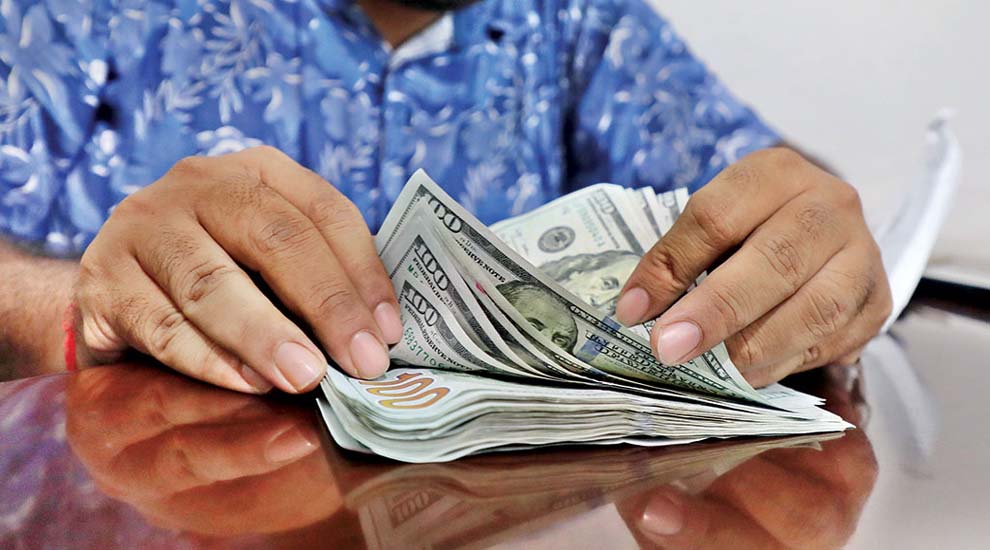
Sylhet’s remittance-driven economy has long been a defining feature of the region. Billions of dollars sent annually by the non-resident Bangladeshi (NRB) diaspora—predominantly based in the UK, USA, and the Middle East—have transformed the local standard of living, giving rise to palatial mansions, luxury vehicles, and modern residential developments. However, beneath this affluent facade lies a stark economic void: a severe lack of industrialization and productive investment.
According to Bangladesh Bank data, Sylhet received $2.92 billion out of the country’s total $35.59 billion remittance inflow in the 2025-26 fiscal year. Furthermore, between January and September 2026 alone, the division bagged $1.624 billion. Local researchers estimate that nearly 90 percent of these funds are consumed by non-productive sectors, such as personal housing and luxury consumption.
Why Diaspora Investors Are Backing Out
Three decades ago, expatriates were the primary backers of major commercial, housing, and healthcare projects across Sylhet. However, diminishing returns, property disputes, and policy uncertainties gradually eroded their confidence. Even dedicated initiatives like the Hi-Tech Park in Companiganj failed to attract significant NRB capital.
Industry experts and diaspora representatives cite several key deterrents:
Bureaucracy and Capital Flight Barriers: Onerous red tape, political interference, and severe restrictions on repatriating capital and profits.
Property Ownership Disputes: Massive investments in luxury homes and real estate often turned into bitter legal conflicts with relatives managing the assets locally.
The Generational Shift: The third-generation British-Bangladeshis and other young diaspora members hold weaker ties to their ancestral homeland, driving many families to liquidate domestic assets and move capital abroad.
M Ahmed Juned, Director of the UK NRB Society, emphasized, "The lack of an investor-friendly environment, coupled with bureaucratic hurdles and restrictions on capital repatriation, discourages NRBs. Additionally, we have failed to build a framework that engages the younger diaspora in Bangladesh’s growth story."
Government Seeks Fresh Investment
Addressing these concerns, Minister for Expatriates' Welfare and Overseas Employment, Ariful Haque Chowdhury, assured that the current administration is committed to protecting diaspora assets and investments. "The government is more sincere than ever regarding our expatriates. We now have a secure, investor-friendly environment. Should the diaspora choose to invest in productive manufacturing and industrial sectors, the government will extend full policy and operational support," the Minister stated.
Sylhetview24/RiK